How to Choose Quality Dried Herbs for Tea Blending
Understanding Herb Quality for Tea Blending
When sourcing dried herbs for tea blending, quality is paramount. The right herbs can make or break your blend, affecting flavor, aroma, and customer satisfaction. Here's what every tea blender should look for.
1. Volatile Oil Content
The volatile oil content is the single most important quality indicator for tea herbs. Higher oil content means more intense flavor and aroma. For chamomile, look for a minimum of 0.4% volatile oil; for peppermint, aim for 1.0% or higher.
2. Particle Size Consistency
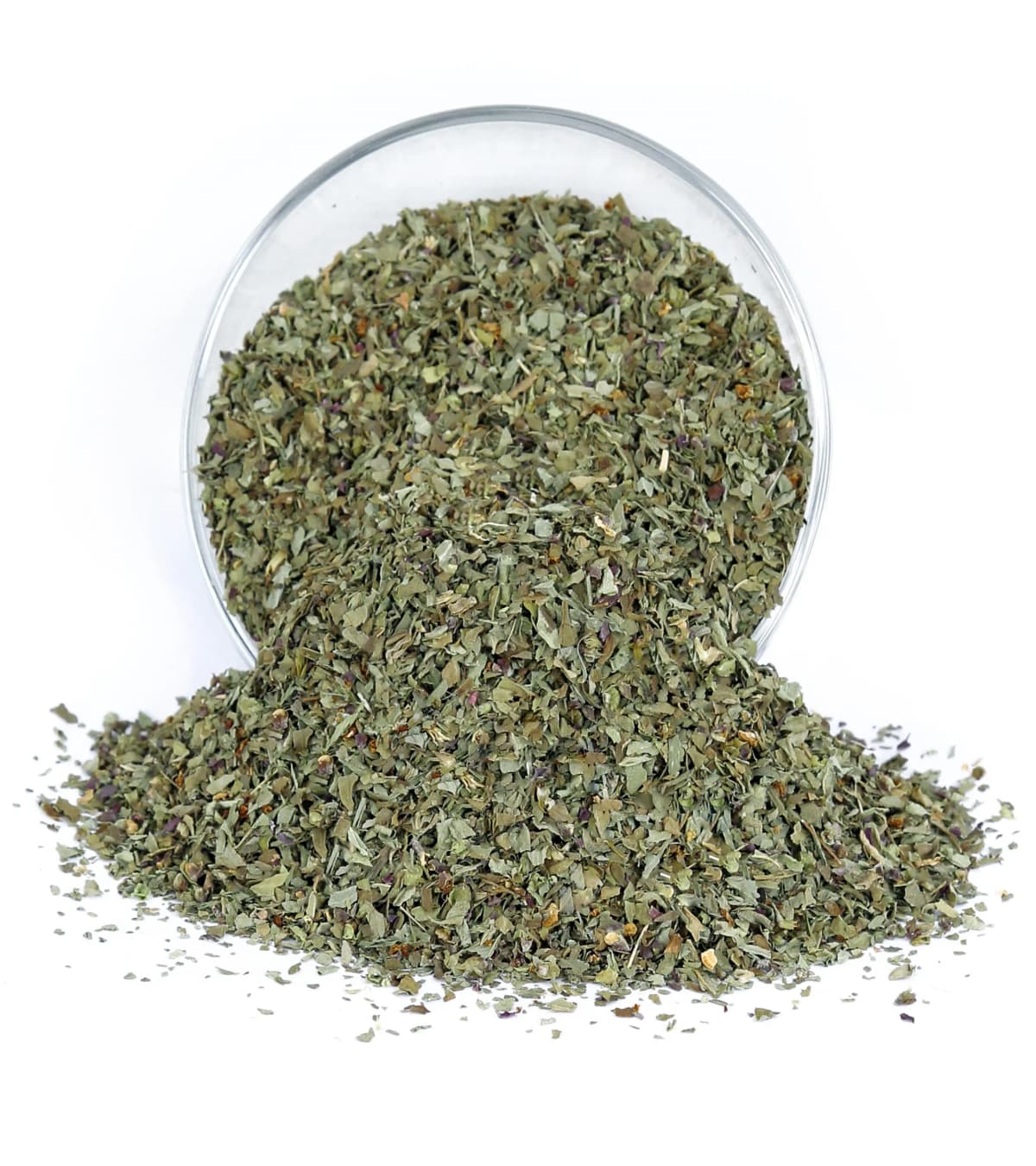
For tea bag production, consistent particle size is critical. Most tea bag manufacturers require a T.B.C. (Tea Bag Cut) of 1-3mm. For loose leaf blends, larger cuts of 4-8mm are preferred to give a premium appearance.
3. Color and Appearance
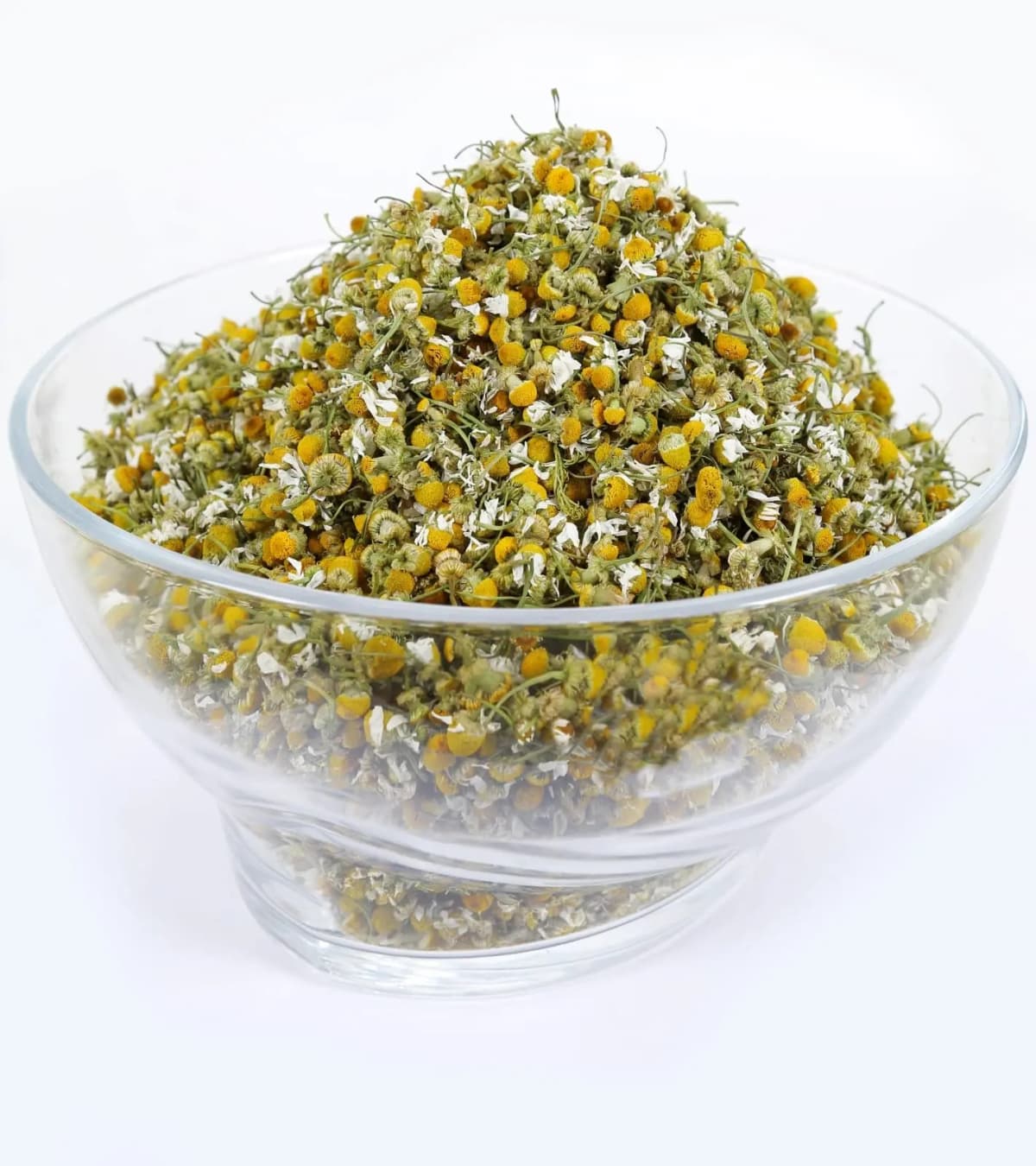
Fresh, properly dried herbs should retain their natural color. Chamomile flowers should be bright yellow-white, not brown. Peppermint leaves should be vibrant green, not faded or yellowed.
4. Moisture Content
Optimal moisture content for dried tea herbs is between 8-12%. Too dry and the herbs become dusty; too moist and they risk mold growth during storage.
5. Cleanliness and Foreign Matter
Premium tea-grade herbs should have less than 1% foreign matter. This includes stems, seeds, and any non-herb material. Clean herbs ensure a better cup and meet food safety standards.
Sourcing Tips
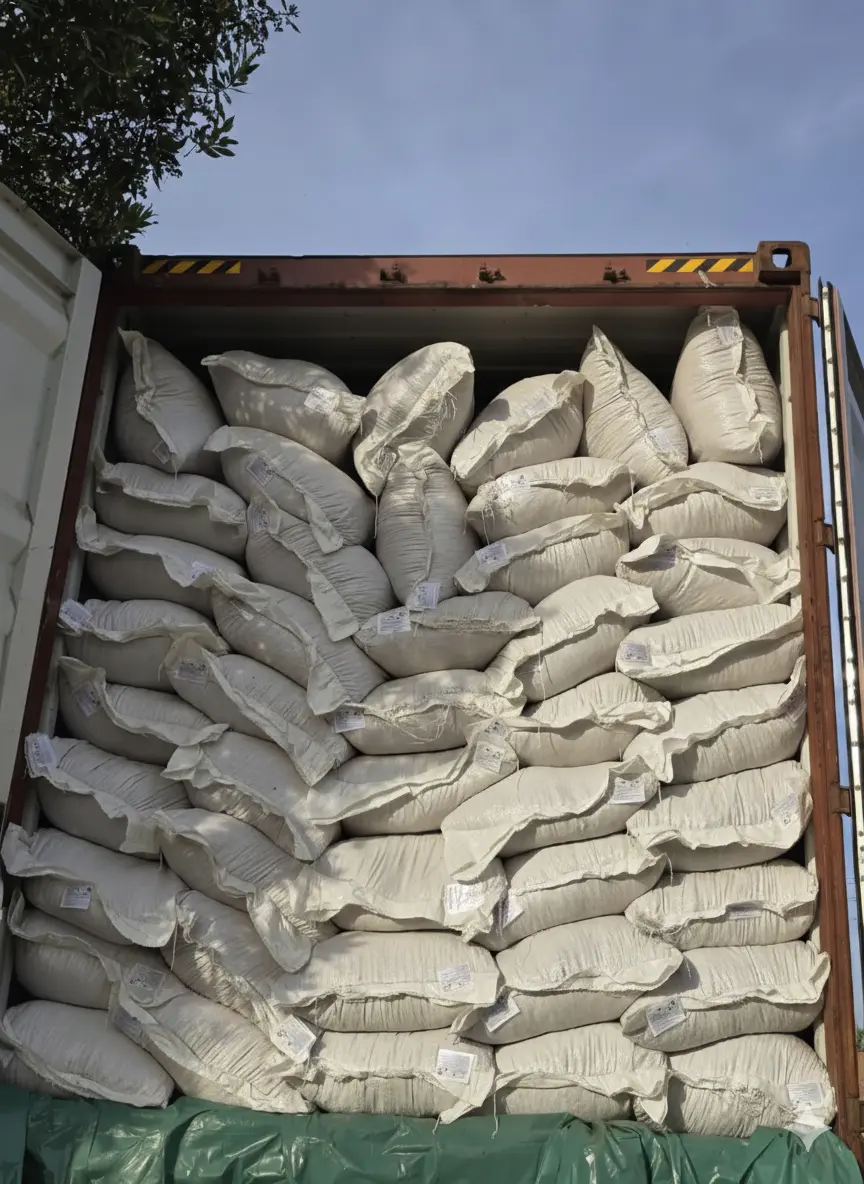
Always request a Certificate of Analysis (COA) from your supplier. Visit the processing facility if possible, and start with samples before committing to bulk orders. A reliable supplier like Herbs King provides full documentation with every shipment.