Complete Guide to Importing Herbs from Egypt
Importing Herbs from Egypt: Step by Step
Egypt is one of the world's largest exporters of dried herbs and spices. This guide covers everything importers need to know about sourcing herbs from Egyptian suppliers.
1. Finding a Reliable Supplier
Look for suppliers with international certifications (ISO 22000, HACCP, GMP), established export history, and willingness to provide samples and documentation.
2. Required Documentation
Standard export documents from Egypt include:
- Commercial Invoice
- Packing List
- Bill of Lading (sea) or Airway Bill (air)
- Certificate of Origin
- Phytosanitary Certificate
- Health Certificate
- Fumigation Certificate (if required)
- Certificate of Analysis
3. Shipping Options
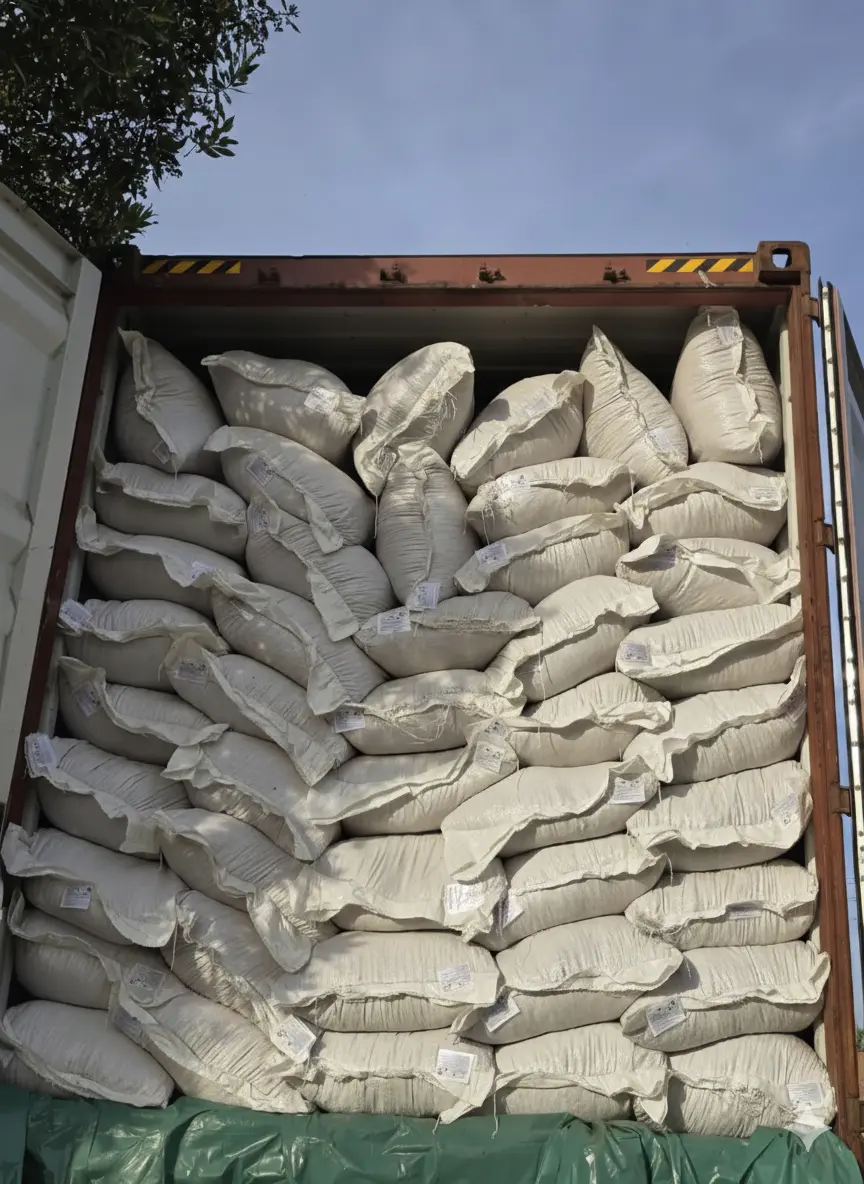
Sea Freight: Most cost-effective for orders of 1 MT or more. Transit time from Alexandria port ranges from 7-30 days depending on destination.
Air Freight: Faster but more expensive. Suitable for urgent orders or smaller quantities (500kg minimum).
4. Customs Considerations
Import regulations vary by country. EU importers should ensure compliance with EU MRL regulations. US importers need FDA registration from the supplier. Always check your country's specific requirements for dried herb imports.
5. Payment Terms
Common payment methods include Letter of Credit (LC) for first-time orders and Telegraphic Transfer (TT) for established relationships. Discuss terms during the quotation stage.