Egyptian Herbs vs Other Origins: Quality Comparison
Why Egyptian Herbs Stand Out
Egypt has been a center of herb cultivation for thousands of years. The unique combination of climate, soil, and traditional farming knowledge produces herbs with distinctive quality characteristics.
Climate Advantage
Egypt's dry, sunny climate with minimal rainfall creates ideal conditions for herb cultivation. The intense sunlight promotes high volatile oil production, while low humidity reduces disease pressure and allows for natural sun-drying.
Soil Quality
The Nile Valley's alluvial soil is rich in minerals and nutrients, contributing to the robust flavor profiles of Egyptian herbs. This fertile soil has been continuously enriched by thousands of years of Nile flooding.
Comparison by Product
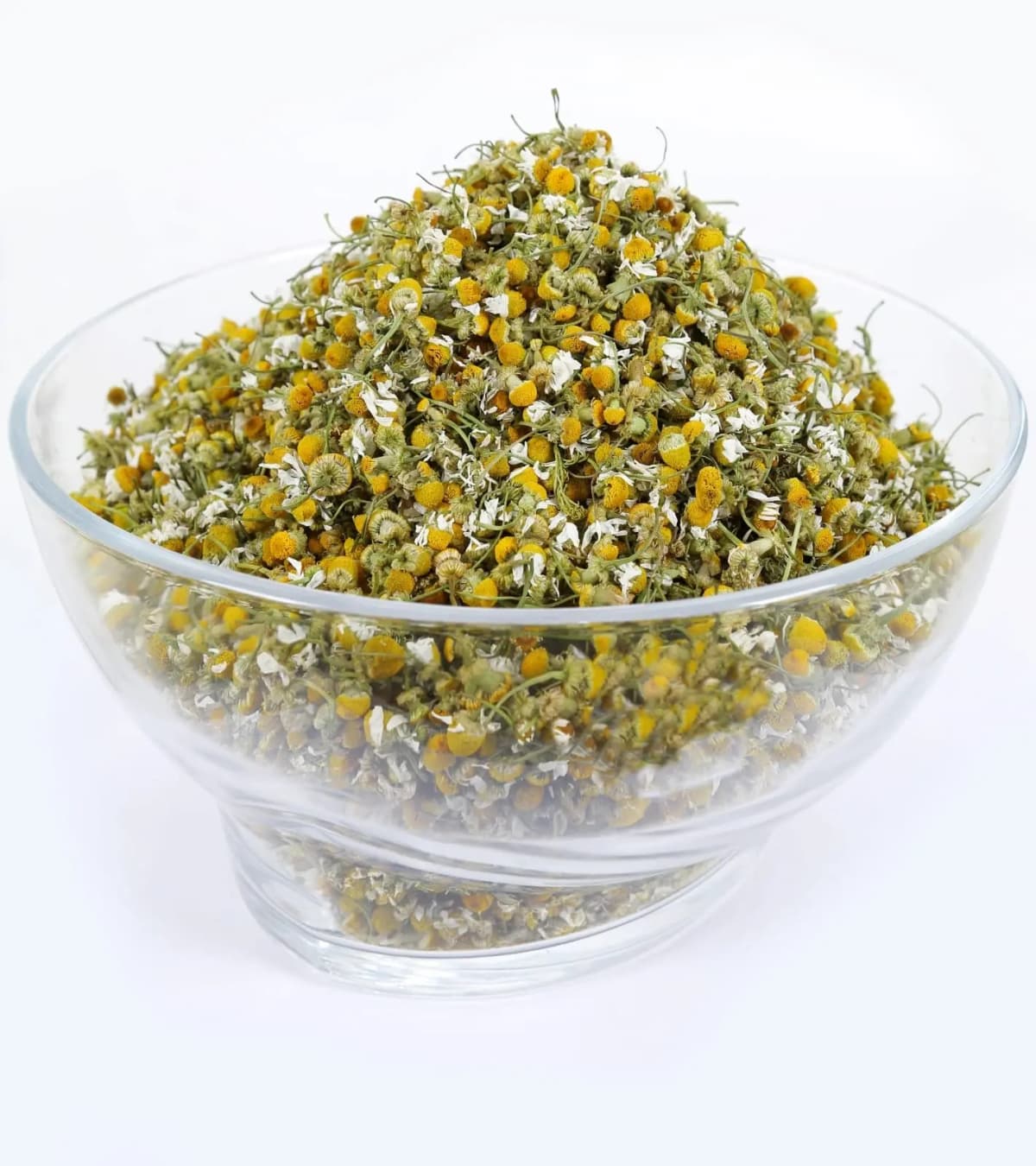
Chamomile: Egyptian chamomile (Matricaria chamomilla) is considered the gold standard globally. It has higher essential oil content (0.4-1.5%) compared to Argentine (0.3-0.8%) or Eastern European varieties (0.2-0.6%).
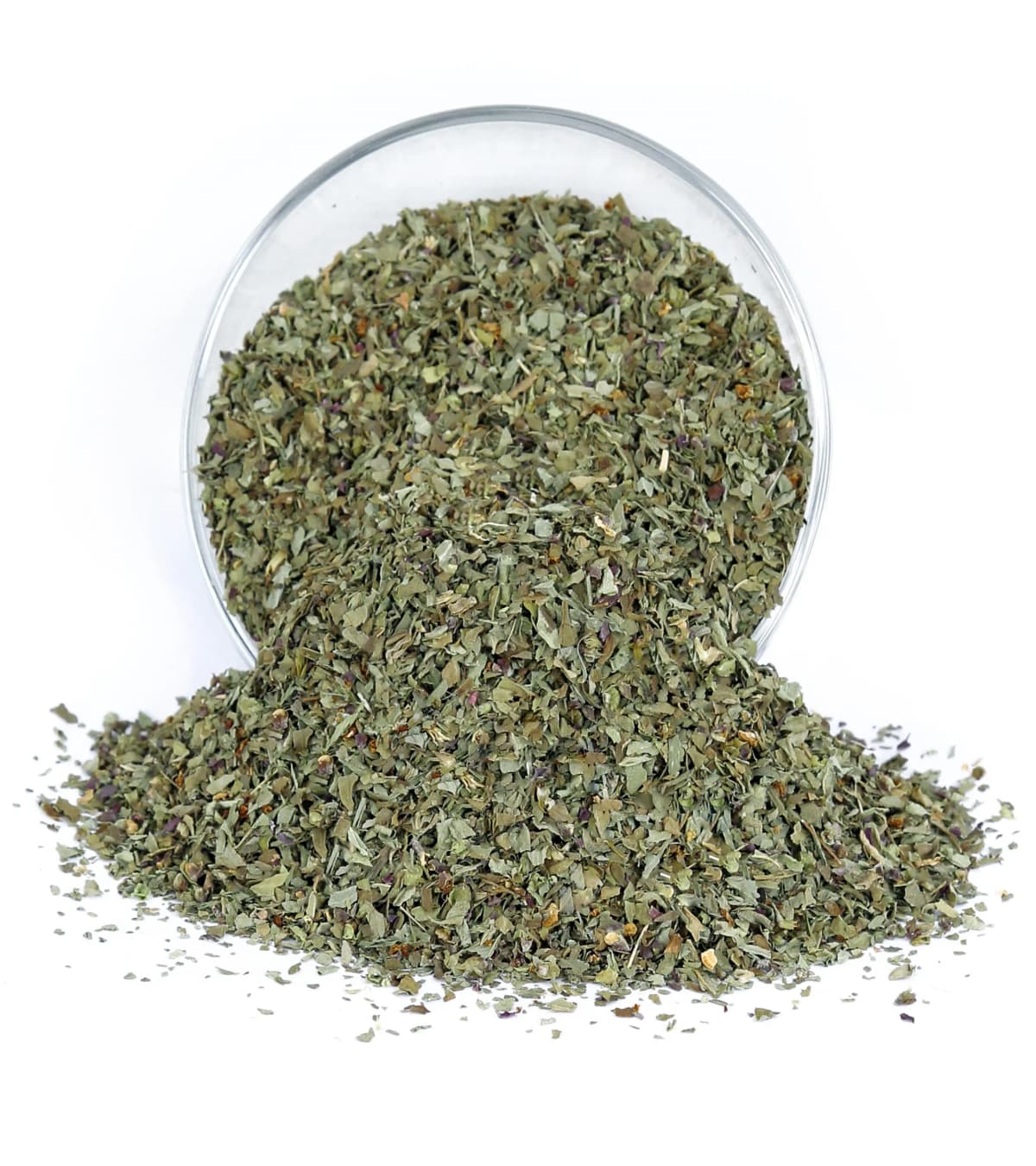
Basil: Egyptian sweet basil has a more concentrated flavor profile than Indian or Thai varieties, with higher linalool content preferred by European food manufacturers.
Peppermint: Egyptian peppermint offers a balanced menthol profile (35-45%) that's preferred for tea blending, compared to the sometimes overpowering menthol levels in American varieties.
Cost-Effectiveness
Egyptian herbs offer an excellent quality-to-price ratio. Lower labor costs and efficient farming practices mean importers get premium quality at competitive prices.