Essential Oil Content in Dried Herbs: A Buyer's Guide
Why Essential Oil Content Matters
The volatile (essential) oil content of dried herbs is the primary indicator of quality and flavor intensity. Understanding this metric helps buyers make informed purchasing decisions.
What Are Volatile Oils?
Volatile oils are aromatic compounds produced by herbs that give them their characteristic flavor and aroma. They evaporate easily at room temperature, which is why fresh herbs are more aromatic than dried ones.
Typical Oil Content by Herb
Peppermint: 1.0-3.0% (menthol, menthone)
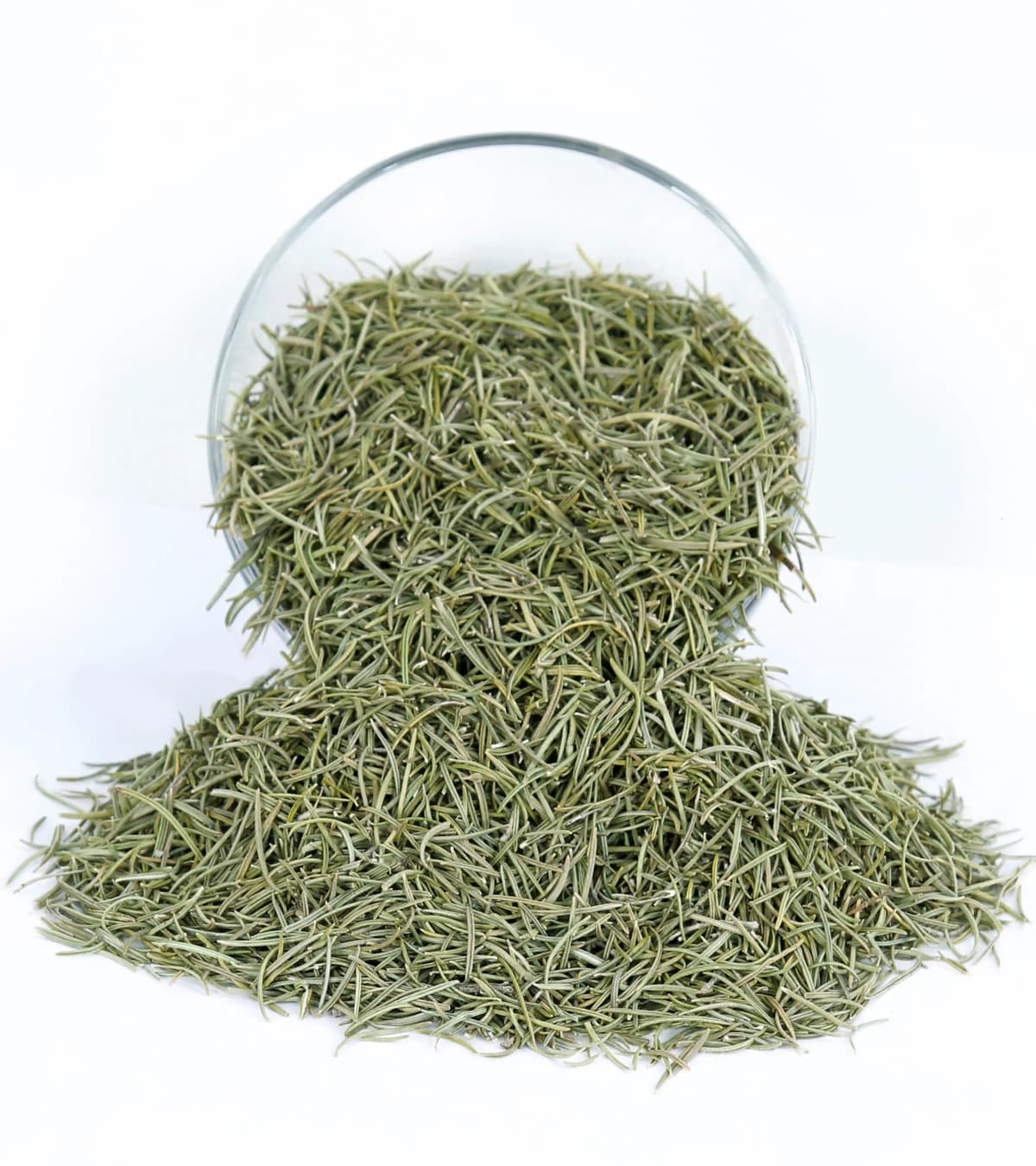
Rosemary: 1.0-2.5% (1,8-cineole, camphor)
Thyme: 1.0-2.5% (thymol, carvacrol)
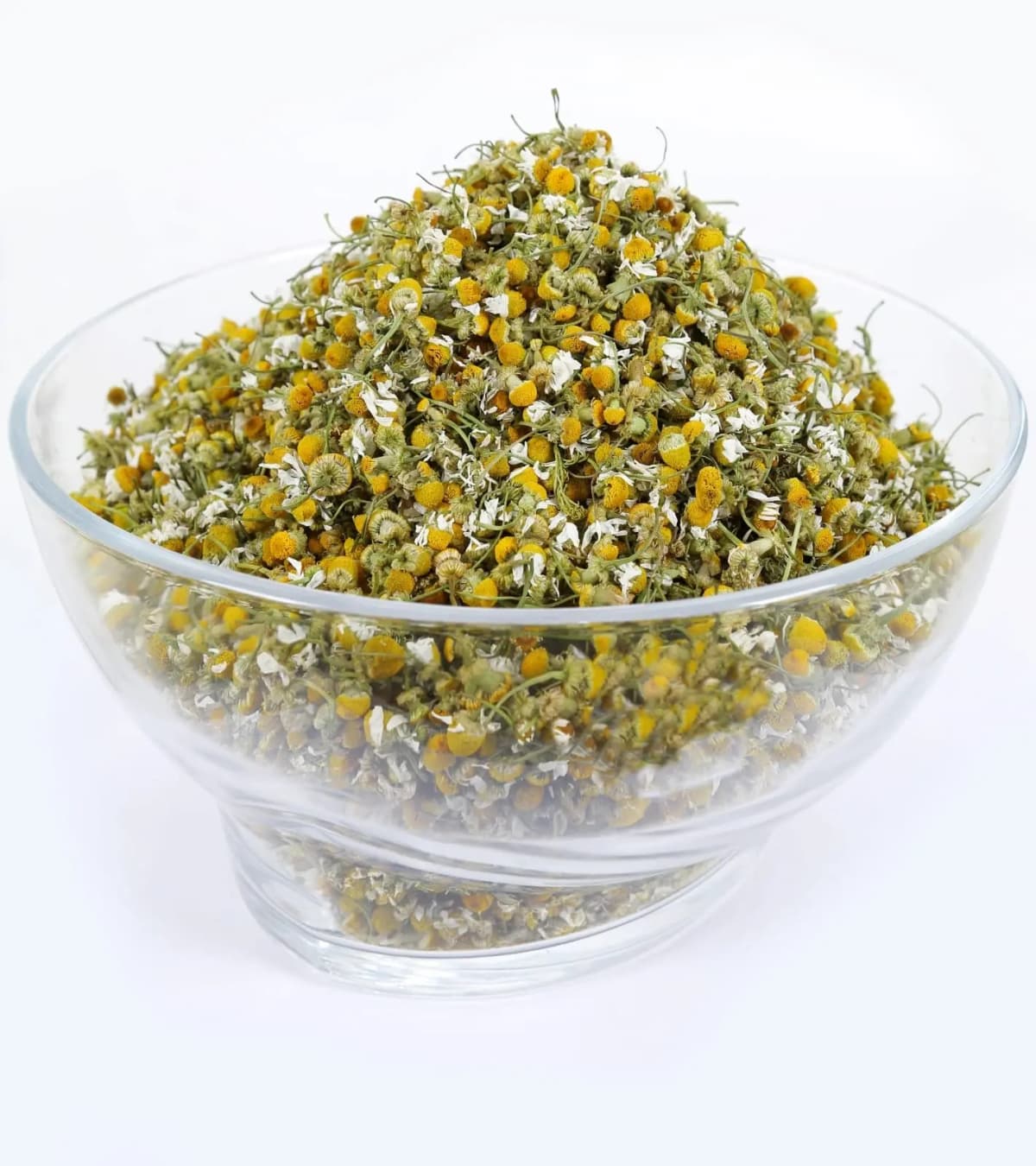
Chamomile: 0.4-1.5% (bisabolol, chamazulene)
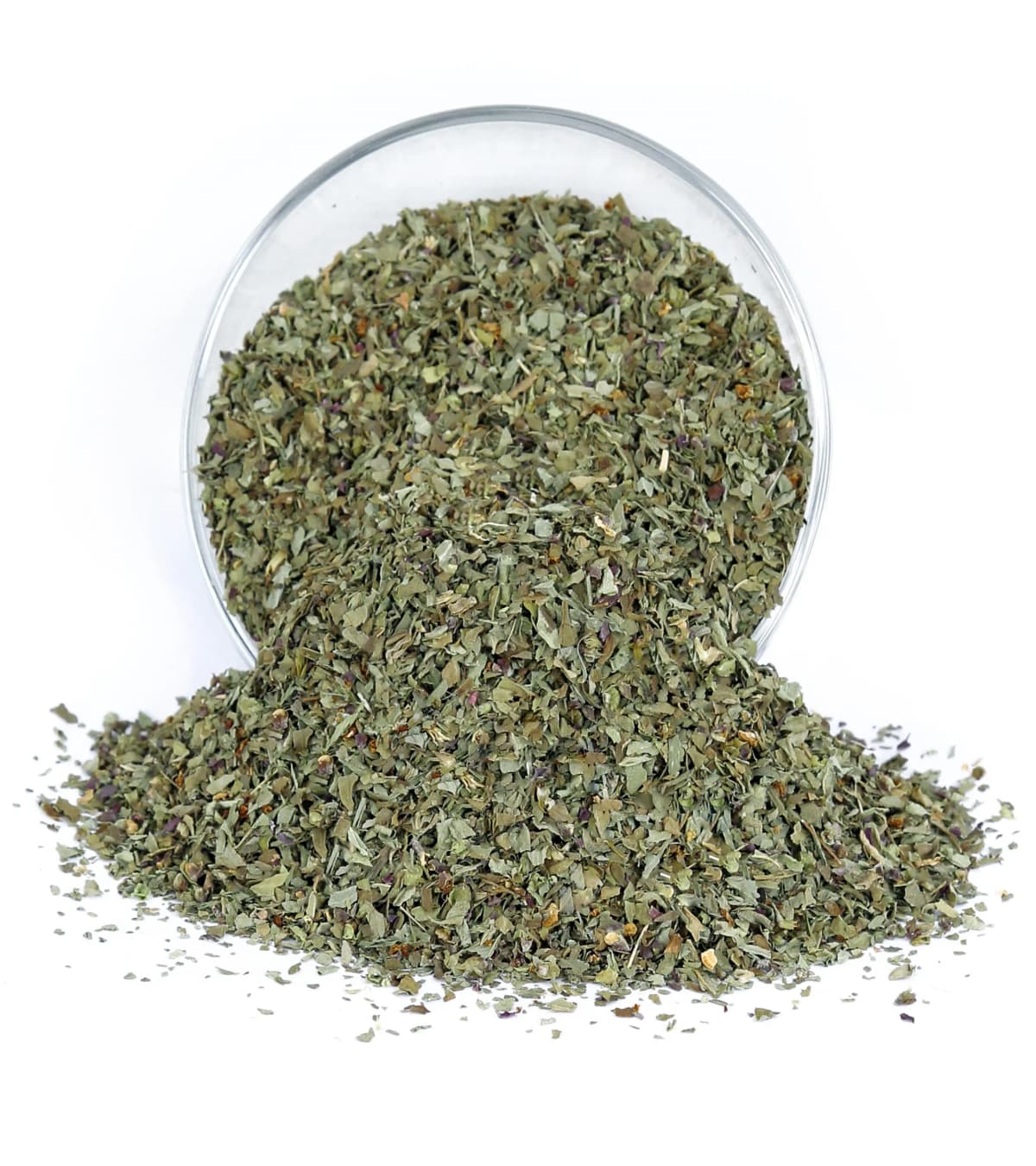
Basil: 0.5-1.5% (linalool, eugenol)
Marjoram: 0.7-3.0% (terpinen-4-ol)
Factors Affecting Oil Content
Growing conditions, harvest timing, drying method, and storage all affect volatile oil content. Egyptian herbs benefit from intense sunlight and dry climate, which promote higher oil production.
Testing Methods
Volatile oil content is typically measured by steam distillation according to pharmacopoeia methods. Results are expressed as ml/100g or percentage by weight. Always request this data in your Certificate of Analysis.